
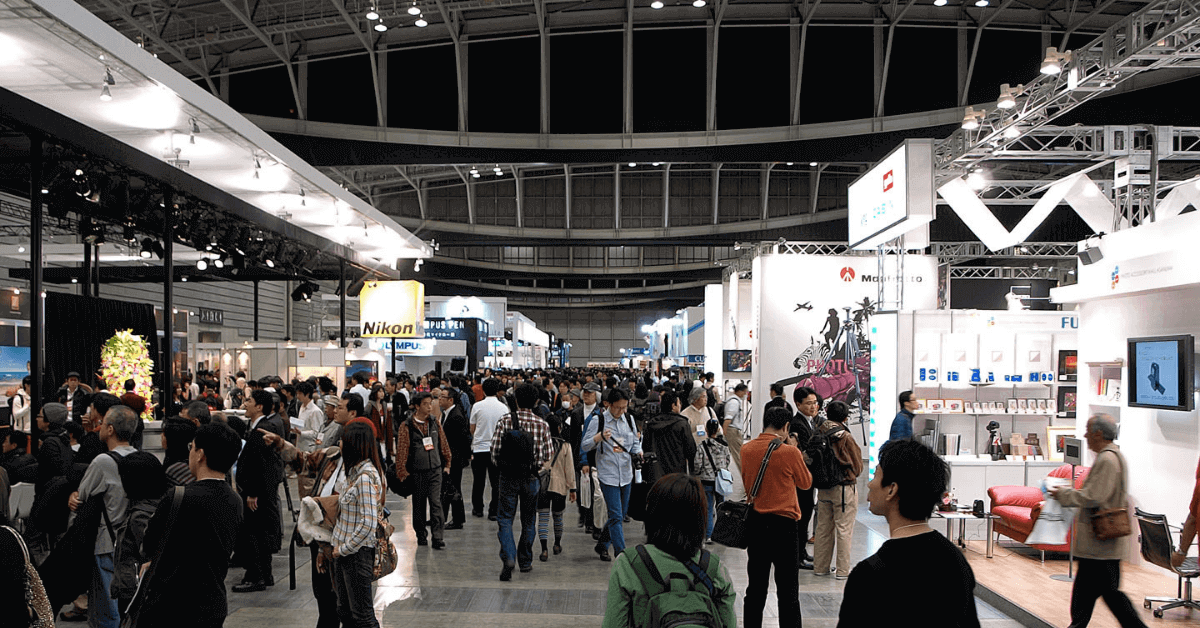
Exhibitions are a powerful marketing tool that can help businesses of all sizes enhance their brand and increase sales. By creating an attractive exhibition, companies can attract new customers, generate leads, and build relationships with existing customers. When planning an exhibition, it is important to set a budget and timeline, choose a theme and design elements, and promote the exhibition before it begins. During the exhibition, companies must ensure their booth is visually appealing and make the most of their launch. After the event, they should evaluate the success of their exhibition and use customer feedback to improve future displays.
By following these steps, companies can maximize the impact of their exhibitions and use them to achieve marketing and sales goals.
Benefits of Using Exhibitions to Boost Your Business
The Value of Exhibitions for Brand Promotion
Exhibiting at trade shows, conferences, and other events is a great way to promote your business and increase brand awareness. Through exhibition, you can reach new audiences and generate leads that can be converted into customers. Additionally, exhibition gives you the opportunity to showcase your products or services in a unique and engaging way.
Creative Ways to Leverage Exhibitions for Your Business
There are many creative ways to leverage exhibitions for your business. For example, you can use exhibitions to launch new products or services, build relationships with existing and potential customers, generate press coverage, and increase traffic to your website or physical store. Additionally, exhibitions can be used as an effective marketing tool to increase brand awareness and stand out among target audiences.
Planning Your Exhibitions
Developing the Budget and Timeline
Creating a budget for your exhibition is crucial to its success. You will need to account for the cost of materials, labor, shipping, and any other associated expenses. Once the budget is set, you can start developing a timeline for your exhibition.
Choose a Theme and Design Elements
Your exhibition's theme should reflect your brand and what you hope to achieve through the exhibition. Choosing the right design elements is also important—they should be eye-catching and engaging without being too overwhelming.
Plan and Prepare Your Exhibitions
Once you have finalized your budget and timeline, it's time to start planning and preparing your exhibitions. This includes everything from sourcing materials to creating signage and marketing collateral.
Executing Your Exhibitions
Promote Your Exhibition Before It Begins
You should start promoting your exhibition at least a month in advance. This will give you time to generate interest and excitement among your target audience. Use all your marketing channels to promote the exhibition, including your website, social media, email, and printed materials.
Make the Most of Your Exhibition Launch
The launch of your exhibition is a critical moment. Ensure everything is ready to go before the big day, including all displays and promotional materials. On launch day, make sure to welcome visitors and answer any questions they may have.
Ensure Your Exhibition is Visually Appealing
Your exhibition must be visually appealing if you want people to stop and notice it. Use high-quality visuals and graphics, and ensure everything is well-lit. Pay attention to small details like signage and flooring, as they can make a big difference in the overall appearance of your exhibition.
Evaluating the Success of Your Exhibition
Analyze Your Exhibition's Performance
It is important to analyze your exhibition's performance in order to make necessary changes and improve future displays. There are some key metrics you can use to evaluate the success of your exhibition:
- Number of Visitors: This metric will give you an idea of how many people were exposed to your exhibition.
- Engagement Time: This metric will tell you how long visitors spend interacting with your exhibition on average.
- Conversion Rate: This metric measures the percentage of visitors who took the desired action, such as signing up for a newsletter or making a purchase.
- Leads Generated: This metric tracks the number of leads (potential customers) generated from your exhibition.
Equip Your Exhibition with Customer Feedback
Customer reviews are essential for enhancing your business and increasing sales. Here are some tips for gathering customer feedback:
- Make it easy for customers to leave reviews by creating an online system or providing paper forms at your exhibition.
- Encourage customers to leave reviews by offering incentives, such as discounts or free products.